

Hungary votes for its Prime Minister tomorrow, April 12, 2026. For the first time in 16 years, Viktor Orbán is not the predetermined winner. Prediction markets are giving Péter Magyar, the opposition, who helped Orbán gain power, a 72% chance of winning. Independent polls put Magyar’s party ahead by 9 to 20 points. But there is more to the outcome than the wisdom of crowds and polls.
The Wisdom of Crowds
Polymarket, a prediction market where traders stake real money on outcomes, currently prices Péter Magyar at 72% to become Hungary’s next prime minister. Orbán sits at 28%.
James Surowiecki’s "The Wisdom of Crowds” explains why these markets tend to be accurate. When a large, diverse group of independent thinkers each puts money on what they believe will happen, the aggregate tends to beat individual experts. But it does not mean the outcome is certain. For comparison, Trump was priced below 30% in prediction markets before his 2016 win.
The Historical Pattern
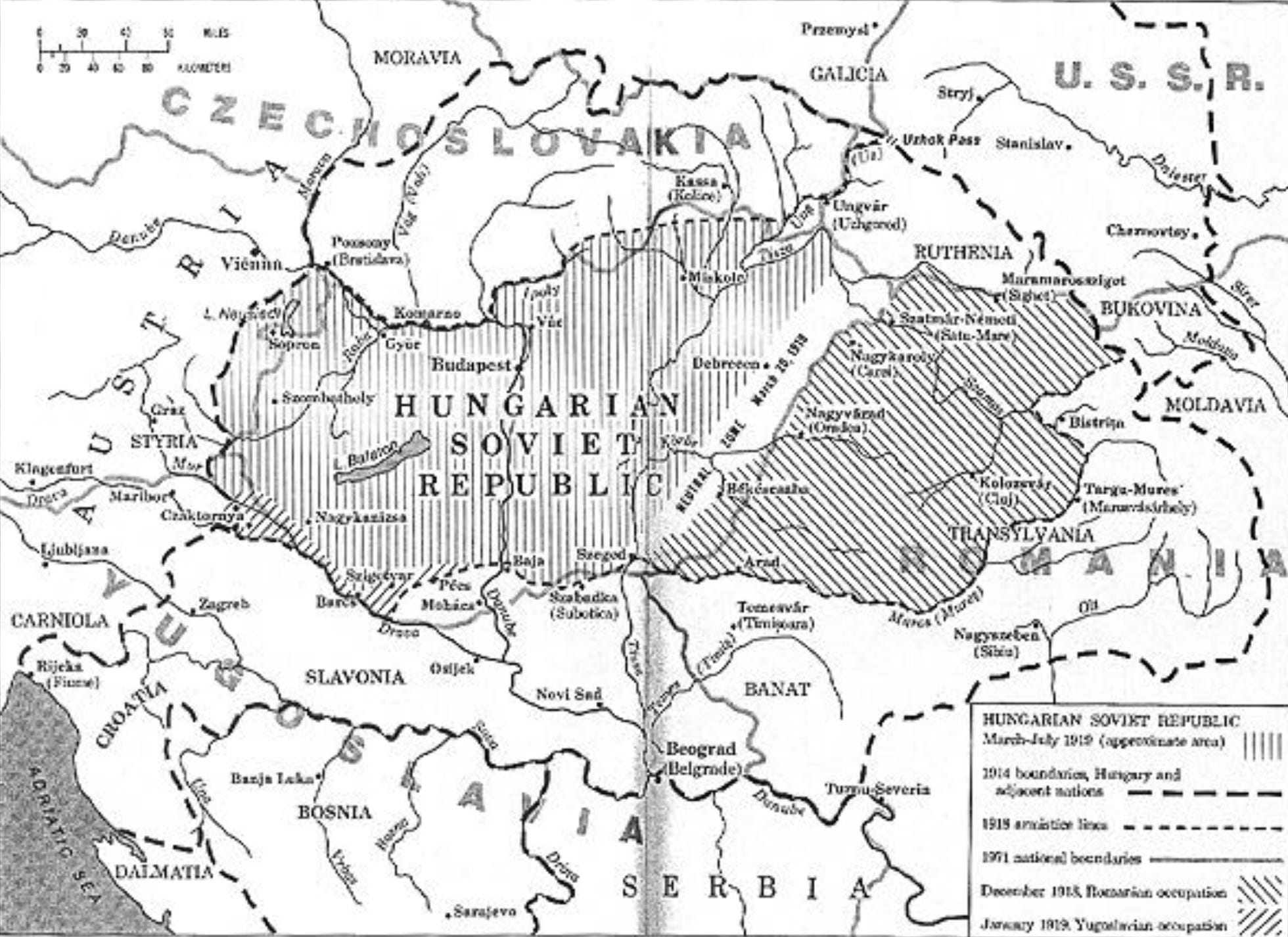
Hungary has spent centuries pulled between Western and Eastern powers. The Ottomans occupied it for 150 years. The Habsburgs ruled it for centuries after that. The Soviet Union controlled it for four decades. Hungary has historically been a buffer state. Not powerful enough to stand alone, and too strategic to be left alone. Today, it’s the European Union to the west and Russia to the east. The difference is that Hungary gets to make the choice by voting
Orbán took advantage of Hungary’s history by campaigning on a promise that Hungary would not take orders from Brussels. He delivered, but he also delivered Hungry into taking orders from Russia.
Still, Hungary depends on the EU economically. Billions in EU funds are frozen because of rule-of-law violations. Estimates range from €17 billion to €32 billion, which is between 8% and 16% of its GDP, and it has hurt the economy. Hungarian voters cite the cost of living as a major issue, and that’s tied directly to a government that chose to align politically with Moscow rather than the EU.
If you are enjoying this article, help support my work by becoming a paid subscriber or “buy me a coffee.”
The Culture
Geert Hofstede places Hungary high on uncertainty avoidance, one of the highest scores in Europe. Hungarians want stability, predictability, and clear rules. Authoritarian leaders like Orbán provide this, but at the cost of freedom and economic prosperity. The EU also provides it, but not as directly, and it’s slow, and it costs some sovereignty.
Hungary is moderate in power distance, meaning Hungarians accept strong leadership but do not defer to it blindly. Hungarians will follow a leader who delivers and reject one who does not.
Schwartz’s embeddedness-to-autonomy spectrum, which tracks how much individuals define themselves through group identity versus independent thought, adds another layer. Societies moving from embeddedness toward autonomy tend to be a generational transition.
Hungary is experiencing this shift. The generation that remembers Soviet control and values, which is the message Orbán preaches, is aging. Younger Hungarians, more urban, more connected to the EU, more exposed to alternative information, are less willing to accept the trade-off Orbán offers: national pride at the expense of freedoms and economic prosperity.
Hungary’s high uncertainty avoidance cuts both ways. It protected Orbán for years. It may now be working against him because his government has become the source of the instability that Hungarians are culturally wired to reject.
