

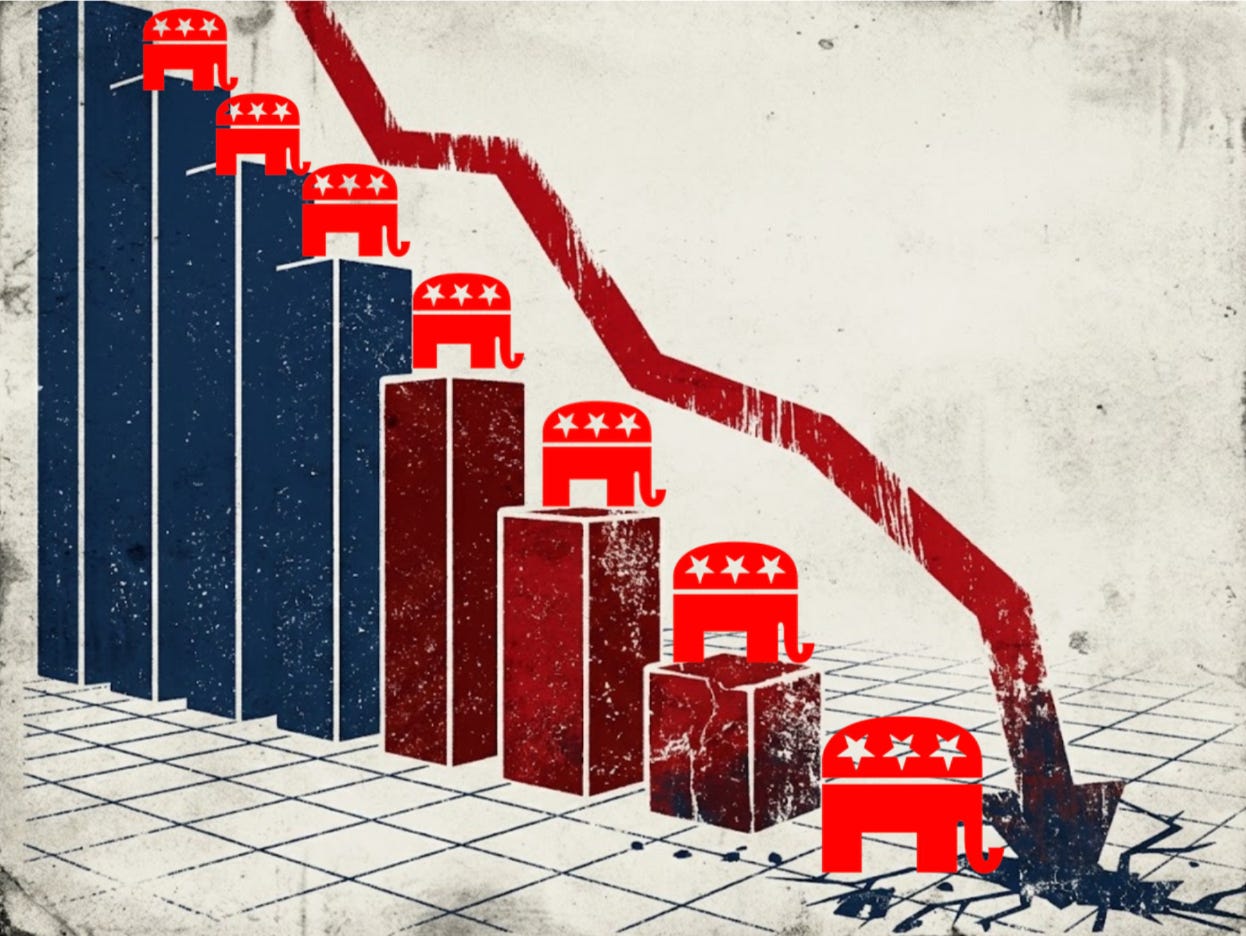
In the last article, we looked at what Trump and the Republicans have cost American farmers, manufacturers, and workers: foreign customers, closed factories, unbuilt homes, and unharvested crops. Ending a policy does not bring those back.
The question is why a government would abandon long-term prosperity for short-term wins and long-term losses.
The Cost of Short-Term Thinking
This is where culture helps explain what is happening.
Long-Term Orientation vs. Short-Term Orientation (Hofstede) describes how much a society values future benefits over immediate results.
Trump comes from an extreme Short-Term Orientation culture, which emphasizes immediate wins: the number and amount of tariffs, money collected, immigrants deported, government employees dismissed, and military objectives achieved.
But those immediate wins do not make the U.S. stronger or prosperous five or ten years down the road. Instead, they weaken American power and drive the U.S. into poverty.
Tariffs produce some government revenue immediately while driving long-term business out of and away from the U.S. A quick financial gain in tariff revenue of a few billion dollars this year in exchange for a loss of trillions every year forward and the loss of foreign customers that took decades to develop.
Deportation numbers look impressive, but farmers and construction companies pull back or go out of business from lack of workers. A quick political win in exchange for deep financial losses.
Firing federal employees looks positive on a quarterly balance sheet, but eliminates decades of experienced workers whose expertise competently operated the government. Another quick financial gain this year, but in exchange for government services people rely on and which are needed to run a democracy.
Trump and the Republicans have chosen these short-term objectives in exchange for America’s future economic prosperity. These changes will alter the American economy for the long term and, in many cases, permanently. They have manufactured a problem that ordinary economic recovery cannot solve.
What Happens When the Economy Recovers?
Inflation can decline. Interest rates can fall. Consumer confidence can improve.
Those are normal parts of an economic recovery, but Trump and the Republicans have engineered an economic disaster that won’t rebound quickly or easily.
The difference is between a downturn that reduces sales, which slows manufacturing, workers are laid off, and the economy stalls. The government introduces stimulus, sales rise, manufacturing increases, workers are hired, and the economy springs to life.
The Trump-Republican plan makes this typical recovery impossible. The U.S. is suffering not from an economic downturn but from Trump’s trade war. Once the Trump-Republican regime is brought down, there is still no reason to resume the level of trade nations had with the United States.
Europe, for example, purchased American military hardware worth billions of dollars and fueled American manufacturers. In retaliation to Trump’s tariffs and other coercions, they now manufacture it themselves and buy from each other. This is favorable to them. A new American administration won’t change that. Even if the Americans offer extraordinary terms, the Europeans (the world) knows those terms can be revoked anytime. Why take the chance when already trading with reliable partners? Those American jobs are not coming back.
It’s the same scenario for other manufacturers, farmers, and virtually every export and import in the U.S.
The longer the Republicans are in power, the harder it all becomes to recover.
On Saturday, we will consider what these developments mean for America’s future.
If you enjoyed this article, help support my work by becoming a paid subscriber or “Buy me a coffee.”
Get a solid understanding of Trompenaars’ cultural dimensions by purchasing the guide or subscribing to Cultural Perspective (free or paid) and receiving the guide for free.
