

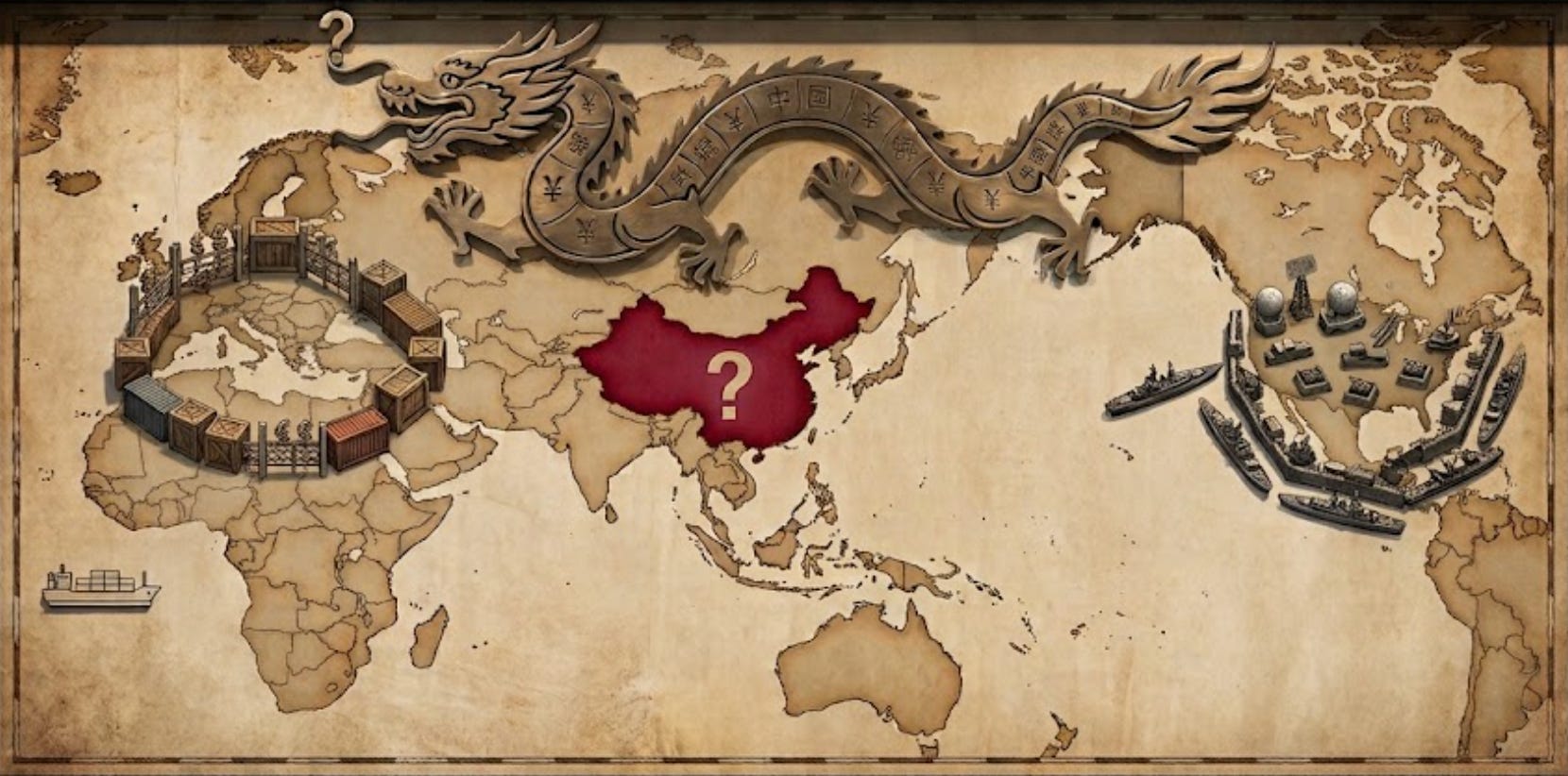
For most people in the West, China is a mystery, and given China’s increasing economic, diplomatic, and military power, they want to know what China will do.
Europe paints China as an economic threat that competes unfairly. The United States paints China as a military threat bent on taking over the world.
But what is China saying?
China’s government publishes its plans. Five-year plans, long white papers, and separate departments each issuing their own documents. If we want to know what China is going to do, all we need to do is listen and read a little (or a lot).
Two cultural differences that help us know the direction China is heading are Fast Messages vs. Slow Messages (Hall) and Individualism vs. Collectivism (Hofstede)
A fast message is a headline, slogan, press release, memo, or bulleted list. It is quick to send and quick to read but contains less information.
A slow message is a book, a hundred-page plan, a white paper running tens of thousands of words; it’s time-consuming to read but provides much more information.
Western governments communicate in Fast Messages, and China communicates in Slow Messages. Therefore, we know more about China’s plans because of their longer Slow Message communication.
Individualism is a culture built around the person. People act for themselves, speak for themselves, and are judged on what they personally achieve.
Collectivism is a culture built around the group. People act as part of a group; the group’s goals matter more than any one person’s, and people are judged by what the group achieves.
Western governments communicate as individuals. A leader makes a campaign promise to attract votes, but they are not required to keep it. Even if a campaign promise becomes policy, the next leader is not required to continue that policy.
China communicates as an organization. The Party issues the policy. The commitment belongs to the organization. Officials come and go, and the policy stays in force. We know more about China’s plans because their commitments extend beyond the people who made them.
Slow Messages and Collectivisms work together to give us a solid idea of where China is headed.
Six documents give us a solid understanding of China’s trajectory:
The 15th Five-Year Plan, adopted by the National People’s Congress on 12 March 2026, covering the economy, technology, and spending.
The 20th Party Congress work report, 16 October 2022. The Party’s own statement of where the country is going, and by when.
The Third Plenum resolution, 18 July 2024. The Party's plan for the economy at home, with every reform task due by 2029, the 80th anniversary of the People's Republic.
The national security white paper, 12 May 2025, is the first one China has issued. It states what China will not do.
The national defense white paper, 24 July 2019 (the most recent). The dated military milestones.
The global governance white paper, 17 June 2026. What China asks of other countries and institutions.
So why is none of this well known? Most people read the English versions of these documents. The English versions differ from the Chinese. In one case, Beijing’s English version inserted a year that isn't in the Chinese version. Secondly, they are long documents, and Westerners, Americans in particular, are used to Fast Message communication that doesn’t require a long attention span.
The good news is that China’s intentions are focused on China and a commitment to international institutions (no desire to take over the world). This reinforces my optimism for the future.
Wednesday’s Edition: China’s commitments: Internal growth, the environment, more say in international institutions.
If you enjoyed this article, help support my work by becoming a paid subscriber or “Buy me a coffee.”
Get a solid understanding of Trompenaars’ cultural dimensions by purchasing the guide or subscribing to Cultural Perspective (free or paid) and receiving the guide for free.
