The Dignity-Honor Mismatch - The U.S. And Russia. Wednesday's Edition.
Three cultural dimensions in diplomacy. Series 24 #2
In February 2022, Russia invaded Ukraine. Within hours, most Western analysts described the invasion as irrational, unprovoked, and a strategic miscalculation. Russia would face sanctions, be isolated, collapse, and lose the war.
Four years later, the war continues. Russia has not collapsed, the sanctions did not break the economy, and the isolation did not end Putin’s rule. Western analysts continue to call the invasion irrational and continue to predict Russia’s imminent collapse.
The Western analysis is consistent and wrong.
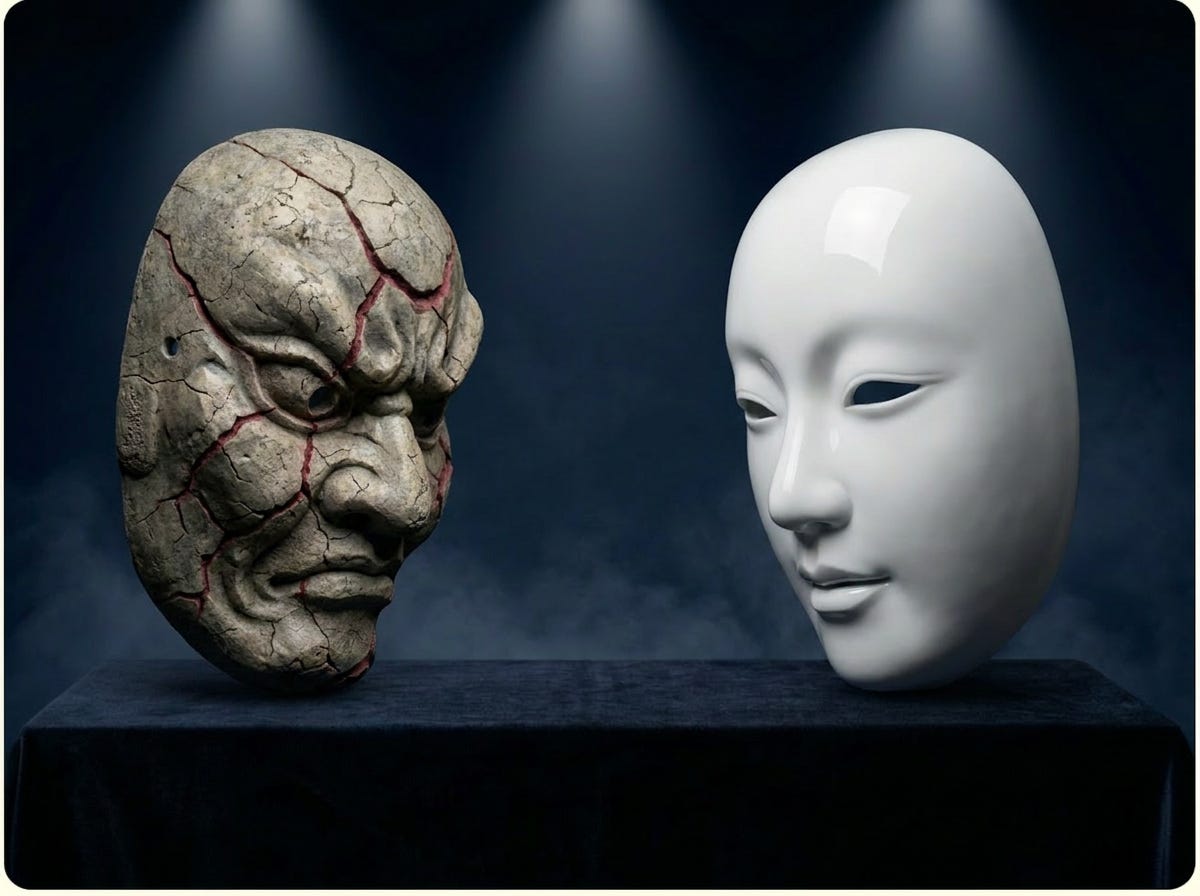
The mistake is not that Western analysts misjudged Russian capabilities. It is a framework mistake. Western analysts have been using the wrong cultural perspective to read Russian behavior for decades, and the war is the latest evidence of the mistake. They are reading Russian behavior through a dignity culture perspective. Russia operates through an honor perspective. Until Western analysts understand this, they will keep predicting outcomes that do not happen and missing the outcomes that do.
Monday’s edition introduced the three cultural perspectives. Dignity cultures treat worth as intrinsic. Honor cultures treat worth as something that must be claimed and defended publicly. Face cultures treat worth as positional and maintained privately.
From the dignity culture perspective, NATO expansion is a defensive arrangement. Countries that want to join have asked to join. Their sovereignty gives them the right to choose their own alliances. No one is being attacked or humiliated. The framework assumes that words like “defensive” and “voluntary” mean the same thing to everyone. They do not.
From the honor culture frame, NATO expansion is a public failure for Russia. Each new NATO member is a public provocation that Russia can not stop the encirclement and threat.
From the In honor cultural persepctive, reputation determines what you can do next. A country that cannot stop its neighbors from joining a rival alliance will not be respected in other arenas. Reputation follows you everywhere.
This is why Putin’s speeches repeatedly refer to NATO expansion. From an honor perspective, the issue remains unresolved because Russia’s reputation has not been restored. From a dignity perspective, Putin is fixated on an irrelevant issue.
The dignity culture response to Russian escalation is more sanctions, more support to Ukraine, and more public statements condemning Russia. Each of these is read by Russia as an additional insult and provocation. Each further harming its reputation.
The honor culture response to Western criticism is public defiance, retaliation, and escalation. Each of these is interpreted by the West as confirmation that Putin is irrational and must be stopped.
The cycle has no exit until leaders realize the cultural perspectives and work with them.
At the Munich Security Conference in 2007, Putin gave a speech rejecting a unipolar world order led by the United States. Putin was telling the West, in honor terms, that Russia's standing and reputation were under attack. The speech was dismissed. The dismissal was another insult.
At the Bucharest Summit in 2008, NATO stated that Ukraine and Georgia would become members but offered no timeline. The lack of a timeline was a diplomatic compromise. From an honor perspective, it was a public declaration that the West would expand on when it chose to. Russia invaded Georgia four months later.
On 22 February 2014, the Ukrainian Parliament voted out pro-Russian Yanukovych. Russian forces invaded Crimea five days later. From the honor perspective, the public loss of influence over Ukraine demanded a public response.
In 2022, after years of Russian demands to halt NATO expansion had been ignored, Putin invaded Ukraine.
In 2026, the war has not ended because no settlement has allowed Russia to publicly recover its reputation as a global leader with influence over global affairs. Russia rejects any settlement framed as a Western win. The West rejects any settlement that rewards aggression. The trap is closed.
Friday’s edition examines the China-Iran relationship and why face cultures and honor cultures, despite looking very different, coordinate easily.
Saturday's Core Brief makes three specific predictions for 2026: the Iran nuclear talks, the U.S.-China tariff negotiations, and the Russia-Ukraine settlement track. Each prediction is grounded in a cultural mismatch that readers can name.
If you enjoyed this article, help support my work by becoming a paid subscriber or “buy me a coffee.”


