Honor, Dignity, and Face Cultures. Monday’s Edition.
Three cultural dimensions in diplomacy. Series 24 #1
A European foreign minister in Brussels publicly and officially criticizes a foreign government for human rights violations. Depending on which government is being addressed and which cultural perspective it comes from, there will be three vastly different reactions.
If the target is Sweden, the response is procedural. The Swedish foreign ministry issues a measured statement. The dispute moves into formal channels. Nothing is personal in the situation. Government institutions and bureaucrats handle the issue.
If the target is Russia, the response is public and immediate. The Russian foreign ministry issues a sharp counterstatement. State media broadcasts the counterstatement, and the original criticism is repeated everywhere alongside the angry response. The substance of the issue is replaced by the question of who insulted whom. An insult left unanswered is an insult accepted.
If the target is China, the public response is muted, almost dismissive. The Chinese foreign ministry issues a brief statement and says nothing more. Behind the scenes here may be subtle, indirect, pushback: channels close, visas slow, and trade conversations stall. The criticism is never discussed publicly. There is a response, but it is not made public.
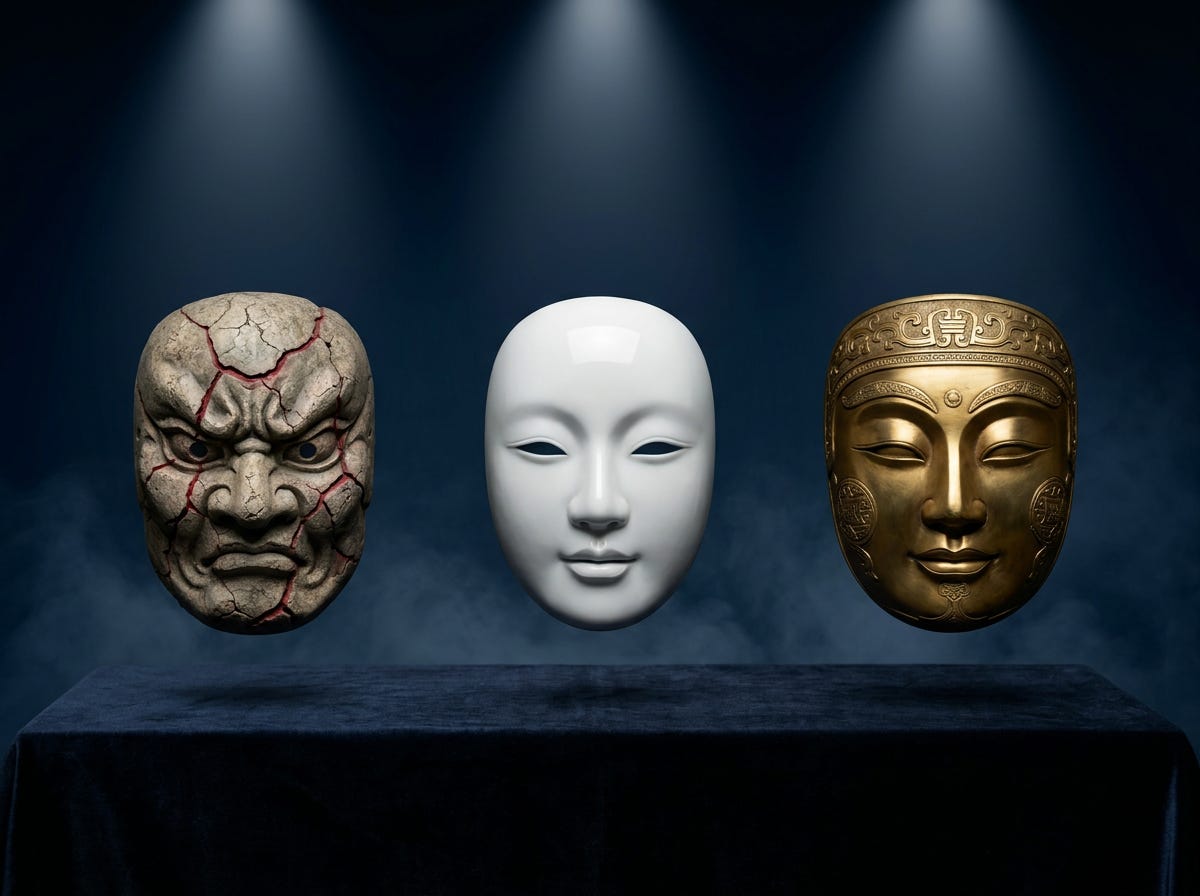
These three reactions result from three different cultural operating systems.
Angela K.-Y. Leung and Dov Cohen identified three distinct cultural perspectives on how groups define personal and collective worth and respond when that worth is threatened. They published the integrated framework in the Journal of Personality and Social Psychology in 2011, building on Richard Nisbett's earlier research on the American South and Joe Vandello's experiments on honor-based responses to insult. It is a well-developed framework in cross-cultural psychology that is increasingly used in research. It is rarely applied to international relations. It should be.
Dignity Cultures
In dignity cultures, a person’s worth is intrinsic. You are worthy because you are a person. Worth is determined by what you think of yourself, not by what other people think of you. Public criticism is uncomfortable but not threatening to core identity. Disputes get resolved through impersonal institutions: courts, contracts, treaties, and regulators. The assumption is that the system, not the individual, will deliver justice over time.
This is the cultural water Western diplomacy swims in. The United States, Canada, Australia, New Zealand, and most of the EU operate on dignity logic. Western diplomats assume their counterparts do too. Most of the world does not.
Honor Cultures
In honor cultures, a person’s worth is in their reputation. You are worthy when others see you as worthy, and that reputation requires constant maintenance. Public criticism is an attack on one's reputation that must be responded to publicly. Disputes get resolved through public exchange: counter-statements, retaliation, and sometimes violence. The assumption is that the individual, not the system, must deliver justice because, once reputation is lost, no court or treaty can restore it.
Parts of Russia, Iran, much of the Middle East, and Latin America operate from an honor cultural perspective. Western diplomats see the public escalation and conclude their counterparts are irrational. They are not. They are following a consistent cultural system that says reputation must be defended publicly.
Face Cultures
In face cultures, a person’s worth comes from their social position and the respect of the group. You are worthy when the group treats you as worthy. Worth is determined by your place in the social order, not by what you say about yourself. Public criticism causes both sides to lose face: the one being criticized and the one doing the criticizing. Disputes are resolved through private channels: closed meetings, indirect messages, reduced cooperation, or withholding access. The assumption is that the relationship, not the public exchange, determines what happens next.
China, Japan, Korea, Vietnam, and most of Southeast Asia operate from a face cultural persepctive. Western diplomats wait for a public response that never comes and conclude that their counterparts have nothing to say. They are wrong. The response is happening in private channels that they do not see.
Most of the major diplomatic stalemates today are not strategic disagreements. They are cultural mismatches between these three cultural perspectives. The framework explains why some negotiations fail, no matter how reasonable the proposals look on paper, and why some alliances are more stable than others despite seeming improbable.
Wednesday’s edition examines the dignity-honor mismatch between the United States and Russia. Why NATO expansion triggers Russian honor, why the Western framing of the war reinforces Russian escalation, and why this misreading is locked in place.
Friday’s edition examines the face-honor compatibility between China and Iran. Why their alignment is more stable than any Western alliance with either country, and why face cultures and honor cultures coordinate easily despite seeming so different on the surface.
Saturday’s Core Brief, for paid subscribers, takes the framework forward and makes three specific predictions about diplomatic outcomes in 2026. The Iran nuclear talks. The US-China tariff negotiations. The Russia-Ukraine settlement track.
Diplomacy fails because one culture cannot read another. Once you can name the cultural perspective on both sides of the table, the outcome becomes predictable.
If you enjoyed this article, help support my work by becoming a paid subscriber or “buy me a coffee.”


